01
Concentric
A compact resilient-seated design for common water, HVAC and general industrial services.
Explore concentric valves →



 JRVAL
JRVAL
 Aug 20 2026
Selecting a butterfly valve is more than choosing a size and connection. Material, valve design, seat, manufacturing process, testing and applicable standards all influence final performance.
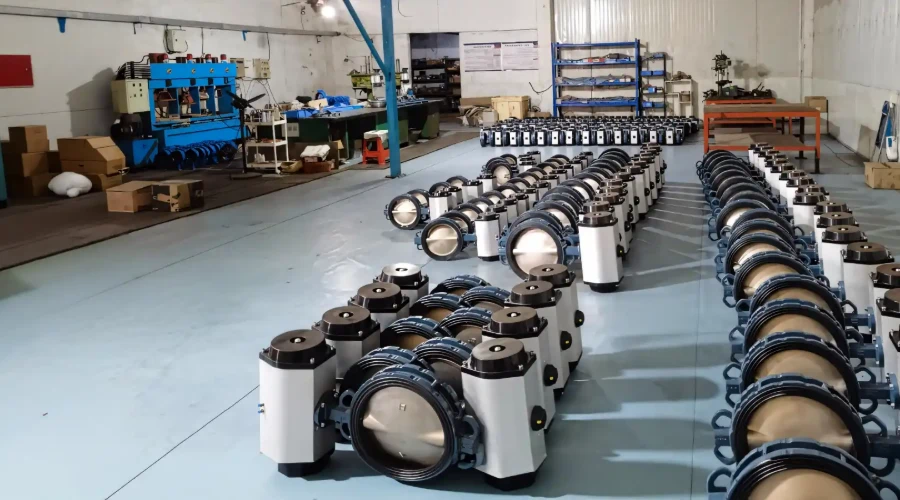
The right butterfly valve depends on service conditions, pressure, temperature, media, size, shut-off requirements, connection type and actuation.
A compact resilient-seated design for common water, HVAC and general industrial services.
Explore concentric valves →Reduced seat contact and operating torque for demanding industrial, water and process applications.
Explore double-offset valves →Metal-seated geometry designed for high-temperature, high-pressure and critical shut-off applications.
Explore triple-offset valves →Connection type should be selected according to piping arrangement, maintenance requirements, pressure class and installation conditions.
Media, temperature, corrosion, abrasion and certification requirements change the recommended valve configuration.
Body, disc, stem and seat materials should be evaluated against media, temperature, pressure, corrosion, abrasion and project requirements.
Explore Material GuideProduct design, face-to-face dimensions, flange interface, actuator mounting and pressure testing may be governed by different standards. They should be evaluated together against the project specification.
The following references are commonly encountered in international butterfly valve projects. The governing edition and project specification should always be verified.
| Standard | Main Function | Butterfly Valve Application |
|---|---|---|
| API 609 | Butterfly valve design, materials, ratings, dimensions and testing. | Core butterfly valve reference for applicable industrial designs. |
| ASME B16.34 | Pressure-temperature ratings, materials, dimensions and marking. | Applicable metal valve reference. |
| ISO 5752 | Face-to-face and centre-to-face dimensions. | Valve dimensional interchangeability. |
| ISO 5211 | Part-turn actuator attachment. | Top mounting / actuator interface. |
| ISO 5208 | Pressure testing of metallic valves. | Shell and closure testing. |
| EN 593 | Metallic butterfly valves. | European butterfly valve design reference. |
| EN 12266-1 | Pressure tests and acceptance criteria. | European valve testing reference. |
| AWWA C504 | Rubber-seated butterfly valves. | Water and wastewater applications. |
| MSS SP-67 | Butterfly valve practice. | General-purpose butterfly valve applications. |
| MSS SP-68 | Offset butterfly valves for higher-pressure applications. | Applicable eccentric designs. |
A butterfly valve may use one standard for product design, another for face-to-face dimensions, another for the flange interface, another for actuator mounting and another for pressure testing.
This is why a valve should not be specified by one standard alone. Final requirements should be checked against valve type, material, size, pressure class, connection, actuator and project specification.
Open the full standards matrix →Once the design standard and service requirements are known, the next step is choosing the appropriate valve family.
Water, HVAC and general industrial service.
Lower operating torque and reduced seat wear.
Metal-seated service for demanding temperature and shut-off requirements.
The best casting process depends on valve size, material, geometry, required surface quality, production volume and total manufacturing cost.
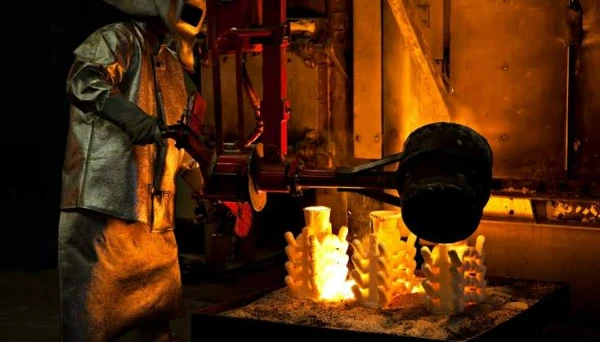
Used where complex geometry, fine surface finish and dimensional control are important, particularly for stainless and alloy steel components.
Explore process →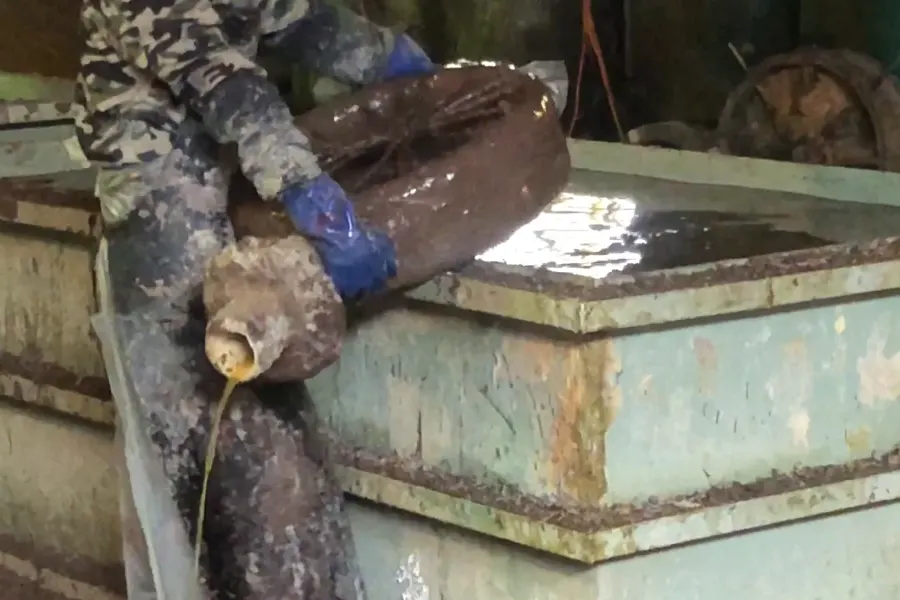
Vacuum-sealed molding for large and heavy valve bodies, where mold stability, dimensional control and efficient production are important.
Explore process →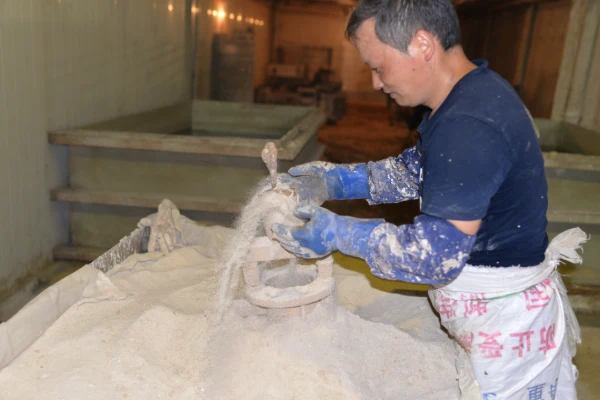
Resin-coated sand molding for repeatable production where casting economics, surface quality and production efficiency must be balanced.
Explore process →Manufacturing control continues after casting. Each stage contributes to the final valve.
Material integrity and near-net geometry.
Microstructure and mechanical properties.
Critical dimensions and geometric alignment.
Component fit and operating consistency.
Shell and closure performance verification.
MTC, inspection and project records.
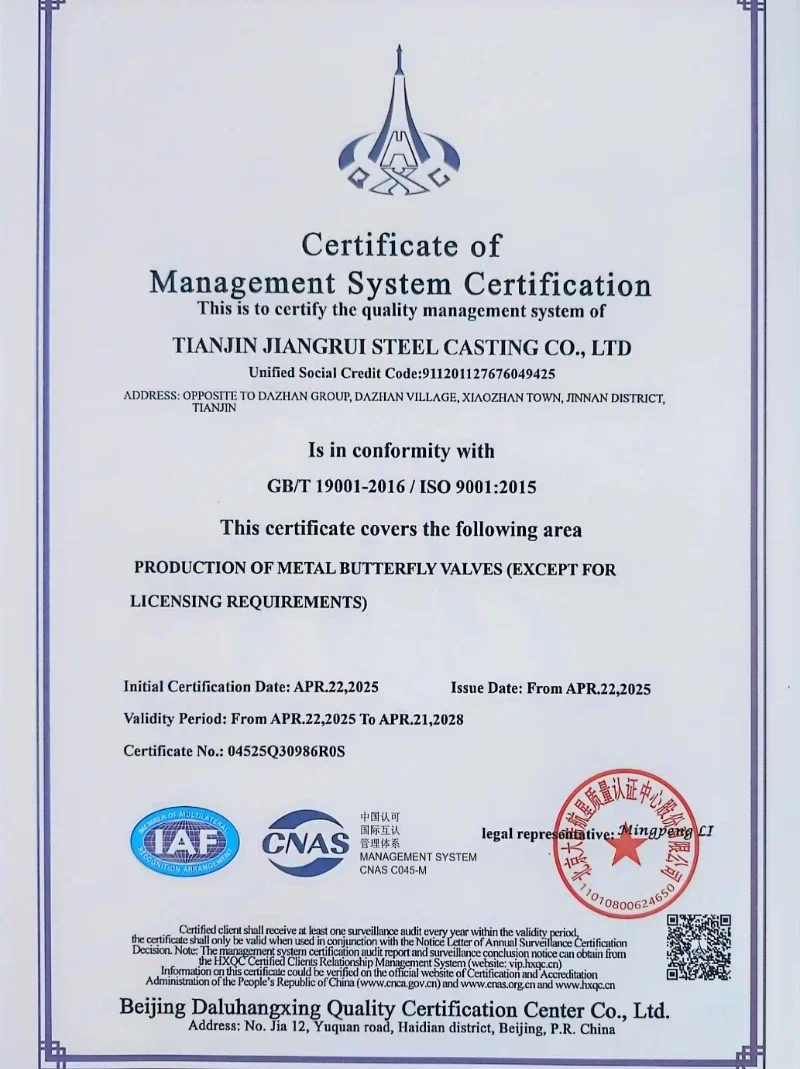
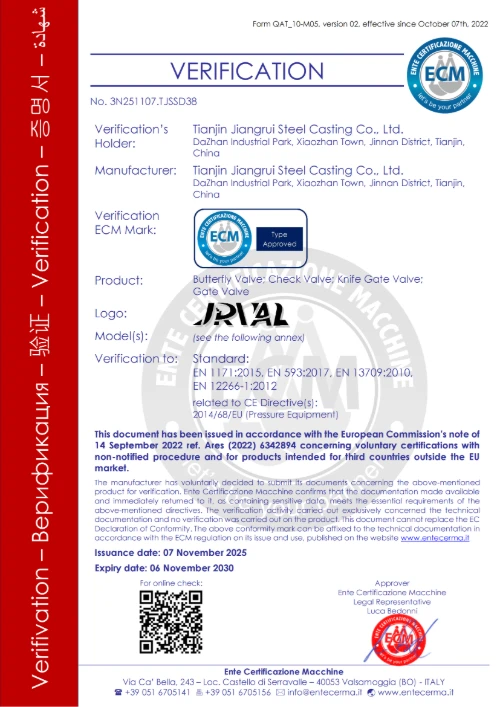
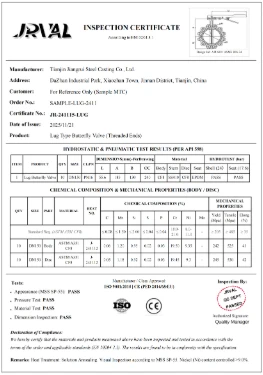
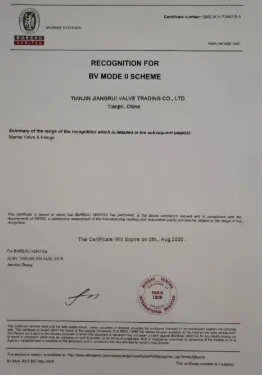
Quality claims are supported by certification, material documentation and inspection records. View the original documents below.
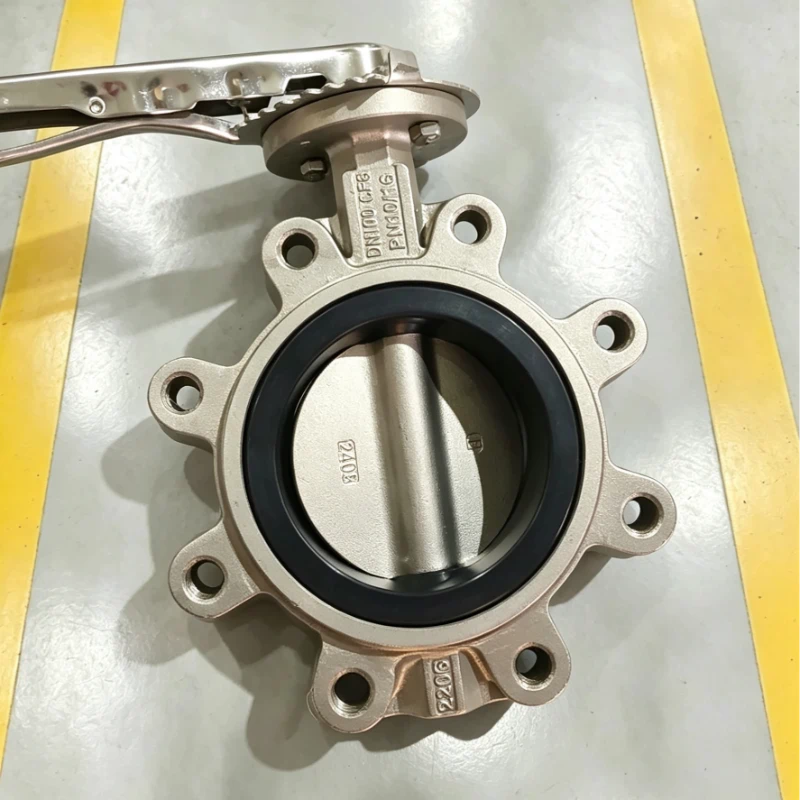
A project required replacement lug valves after thread alignment problems affected installation. JRVAL addressed the manufacturing issue through controlled machining and expedited production.
Send us your valve size, pressure, medium, temperature, materials, required standards or project documents. Our engineering team can review the requirements before quotation.
Quick link
Industries
Contact
Address: DaZhan Industrial Park, Xiaozhan Town, Jinnan District, Tianjin, China


Copyright @ 2026. Tianjin Jiangrui Steel Casting Co., Ltd.
Technical Support: Magic Lamp - Website